
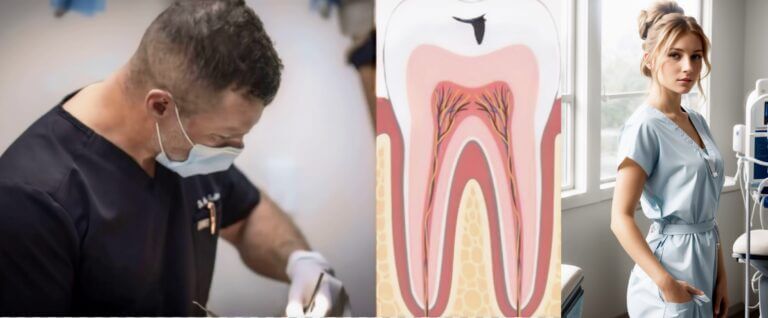
Various treatment options are available to address different issues in dental health. At Parkside Dental in Brooklyn, we believe in empowering our patients with knowledge to make informed decisions about their care. This blog post will compare and contrast four standard dental procedures: root canals, fillings, crowns, and extractions.
Root Canals: Saving a Tooth from the Inside Out
A root canal is necessary when the inner part of your tooth (the pulp) becomes infected or inflamed due to deep decay, repeated dental procedures, or trauma. During a root canal, the infected pulp is removed, the canals are cleaned and disinfected, and then sealed to prevent further infection. This procedure is highly effective in saving a natural tooth that would otherwise need to be extracted.
Fillings: Repairing Minor Damage
Dental fillings treat cavities and small holes in teeth caused by decay. The decayed portion of the tooth is removed, and the cavity is filled with a material such as composite resin or amalgam. Fillings restore the tooth’s shape, function, and appearance.
Crowns: Restoring Strength and Appearance
A dental crown is a cap placed over a tooth to restore its shape, size, strength, and appearance. Crowns are often used when a tooth is severely damaged by decay, fracture, or wear. They can also cover a tooth after a root canal to provide additional support and protection.
Extractions: When a Tooth Cannot Be Saved
Tooth extraction is the removal of a tooth from its socket. While we always strive to save natural teeth, extraction may be necessary for severe decay, infection, gum disease, or trauma.
Comparing the Procedures
Here’s a breakdown of how these procedures compare:
- Root Canal vs. Filling: Both address tooth decay, but root canals are for more severe cases where the infection has reached the tooth’s pulp. Fillings are used for smaller cavities. Root canals involve more extensive treatment than fillings.
- Root Canal vs. Crown: These procedures often work together. A root canal addresses the internal problem (infection), while a crown restores and protects the tooth’s outer structure. Crowns are frequently placed after a root canal.
- Root Canal vs. Extraction: Root canals aim to save a natural tooth, while extractions remove a tooth that cannot be saved. Extractions often require further dental work, such as implants or bridges, to replace the missing tooth.
Cost & Insurance for Root Canal, Fillings, and Crowns
- Fillings
- Cost: Composite Fillings: $150 and up (depending on the tooth)
- Insurance Coverage: Typically covers 80% under basic care
- Out-of-Pocket: ~$30 – $100 depending on materials
- Crowns
- Cost:
- Porcelain Fused-to-Metal (PFM): $800-$900 per tooth
- Ceramic (Porcelain): $900-$1000 per tooth
- Insurance Coverage: Covers 50% under major procedures
- Out-of-Pocket: ~$400 – $1,000
- Root Canals
- Cost:
- Anterior (Front) Teeth: $500-$1000
- Premolar Teeth: $700-$1200
- Molar Teeth: $800-$1500
- Insurance Coverage: Covers 50% – 80%
- Out-of-Pocket: ~$140 – $750 depending on the tooth
Note: Costs depend on materials, complexity, and location. Insurance may have deductibles and annual maximums.
Frequently Asked Questions
- Which procedure is right for me? The best method depends on your specific dental condition. Our dentists will conduct a thorough examination and discuss your options with you.
- Is a root canal painful? No, you should not feel any pain during the procedure with local anesthesia.
- How long do fillings last? Fillings can last for many years with proper care and oral hygiene.
- When is an extraction necessary? Extraction is typically a last resort when other treatments cannot save a tooth.
Why Choose Parkside Dental
- Experienced and Caring Team: Our dentists, with their extensive experience and compassionate approach, are skilled in providing gentle and effective pulpectomies and root canals. You can trust their expertise to meet your dental needs.
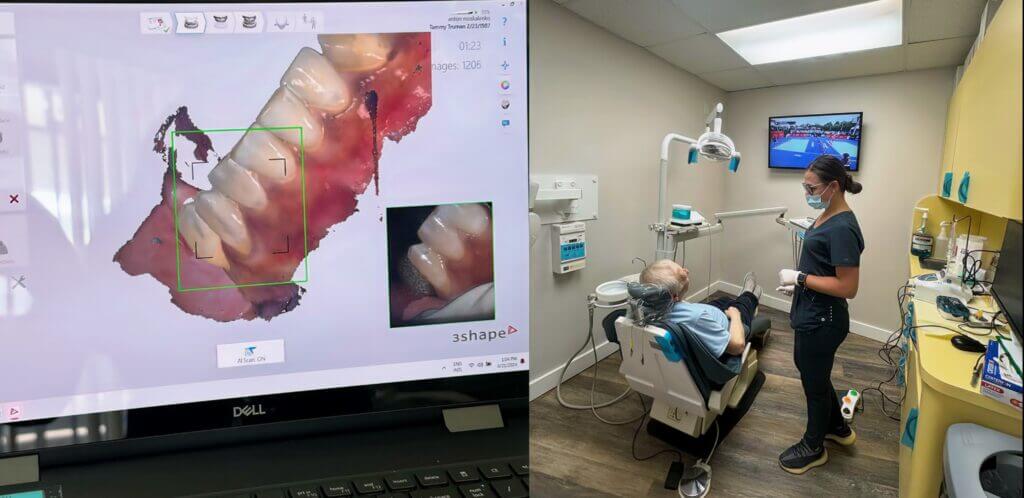
- Advanced Technology: We use the latest technology to ensure a precise and comfortable treatment.
- Patient-Focused Approach: At Parkside Dental, we prioritize your comfort and take the time to explain your options and answer your questions. Your peace of mind is our top priority.
- Convenient Location: Our Brooklyn clinic is easily accessible and has convenient hours.
- Patient-Centered Care: Dr. Moskalenko believes in putting the patient first. He takes the time to understand each patient’s unique needs and concerns, crafting personalized treatment plans that prioritize comfort and effectiveness. His friendly and approachable demeanor puts patients at ease, making dental visits a positive experience.
- Multilingual Communication: The Parkside Dental team is fluent in English, Spanish, Ukrainian, and Russian, ensuring clear communication and a comfortable experience for every patient. We believe language should never be a barrier to receiving excellent dental care.
Conclusion: Your Oral Health is Our Priority
At Parkside Dental, we’re committed to providing you with the best dental care possible. We’ll work with you to understand your needs and recommend the most appropriate treatment options to help you achieve a healthy and beautiful smile.
Call us at (718) 522-2103 or visit our 1711 Ocean Parkway, Brooklyn, NY 11223 clinic.
Serving Major Neighborhoods
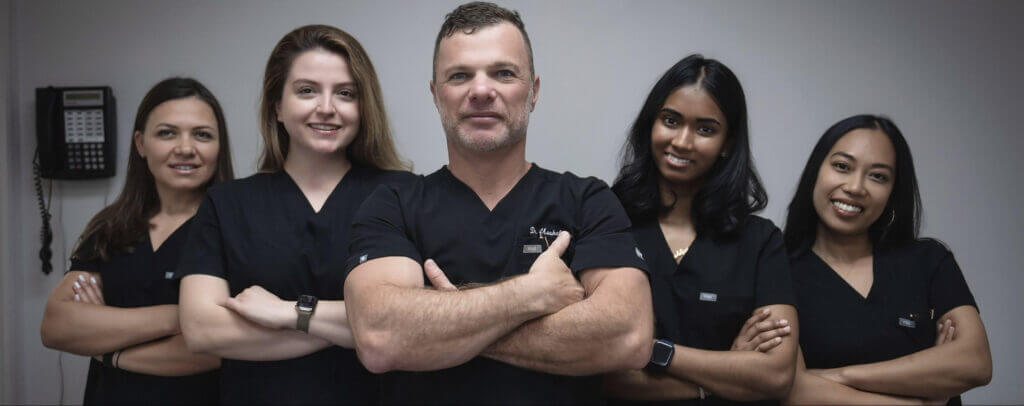
Dentist Dr. Moskalenko and the team at ParkSide Dental are proud to serve a wide range of neighborhoods, making high-quality dental care accessible to many. This includes areas near Parkside Ave in Brooklyn, NY, as well as major streets like Atlantic Avenue, Fulton Street, Eastern Parkway, Bedford Avenue, Kings Highway, Ocean Parkway, Fourth Avenue, Nostrand Avenue, Coney Island Avenue, Broadway, Linden Boulevard, New Utrecht Avenue, 86th Street, and McGuinness Boulevard. The borough also features diverse neighborhoods such as Bay Ridge, Bensonhurst, Sheepshead Bay, Brighton Beach, Gravesend, Midwood, Borough Park, Flatbush, East Flatbush, Brownsville, Canarsie, Marine Park, Mill Basin, Dyker Heights, and Coney Island.