Do Root Canals Really Cause Cancer?
No, root canals do not cause cancer. This misconception has been debunked by extensive scientific research. Root canals are performed to remove infected or dead tissue from within a tooth, preventing the spread of infection and saving the natural tooth. Studies over the past several decades have consistently shown no link between root canals and cancer. For example, research conducted by the American Association of Endodontists (AAE) confirms that root canals are safe and effective, with millions of procedures performed annually in the United States without any increased cancer risk.
Are Root Canals Safe?
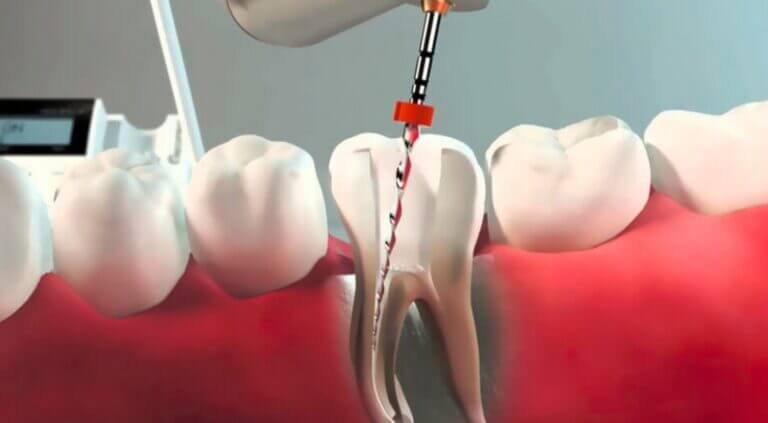
Yes, root canals are safe and are a common procedure to treat infected or damaged teeth. During a root canal, a dentist or endodontist removes the infected pulp from the tooth’s interior, cleans and disinfects the space, and then fills it with a biocompatible material. This process helps preserve the natural tooth and prevents further infection. In New York City, many reputable dental clinics, such as ParkSide Dental, perform thousands of successful root canals each year, ensuring patients receive high-quality care without significant health risks.

Potential Risks and Complications of Root Canals
While root canals are generally safe, there are some potential risks and complications to be aware of:
- Incomplete Removal of Bacteria: If all the bacteria are not removed during the procedure, the infection may persist, requiring further treatment.
- Post-Procedure Discomfort: Some patients may experience discomfort or pain after the procedure, which can usually be managed with over-the-counter pain medication.
- Abscess Formation: In rare cases, an abscess may develop if the infection is not fully eradicated.
For example, at ParkSide Dental in Brooklyn, NY, dentists take special care to minimize these risks by using advanced techniques and equipment, ensuring the highest standards of care.
How Long Can a Tooth Last After a Root Canal?
The longevity of a tooth after a root canal depends on the subsequent restorative work:
- Teeth with Both a Filling and Crown: These teeth can last about 20 years. For instance, at ParkDental Endodontics in NYC, they emphasize the importance of both filling and crowning a tooth after a root canal to maximize its lifespan.
- Teeth with Only a Filling or Crown: These teeth can last around 11 years. Many NYC dental clinics recommend getting a crown to provide additional protection and longevity.
- Teeth Without Restorative Work: These teeth typically last about 6.5 years. Dentists at places like ParkSide Dental strongly advise against leaving a root canal-treated tooth without proper restoration, as it significantly shortens the tooth’s lifespan.
Recovery After a Root Canal
Recovery from a root canal procedure is generally straightforward and involves a few simple steps to ensure proper healing:
- Pain Management: Over-the-counter pain relievers or prescribed medication can help manage any discomfort.
- Avoid Chewing on the Treated Tooth: Until the permanent restoration is placed, avoid chewing on the treated tooth to prevent damage.
- Good Oral Hygiene: To keep your mouth and teeth clean and prevent infection, continue to brush and floss regularly. Unless you stick to taking care of your teeth, you will need oral surgery.
- Follow-Up Appointments: Attend all follow-up appointments to monitor healing and receive the final restoration.
When is it Too Late to Save a Tooth with a Root Canal?
A tooth may be beyond saving with a root canal if it has:
- Extensive Structural Damage: Severe decay, fractures, or trauma can make a tooth unsalvageable. For example, if a tooth is severely fractured and cannot support a crown, dentists at NYC dental practices like ParkSide Dental may recommend extraction instead.
- Advanced Infection: If the infection has spread extensively beyond the tooth’s root into the surrounding bone, a root canal may not effectively address the issue. In such cases, clinics like ParkSide Dental Clinic often suggest alternatives like tooth extraction followed by dental implants to restore oral health.

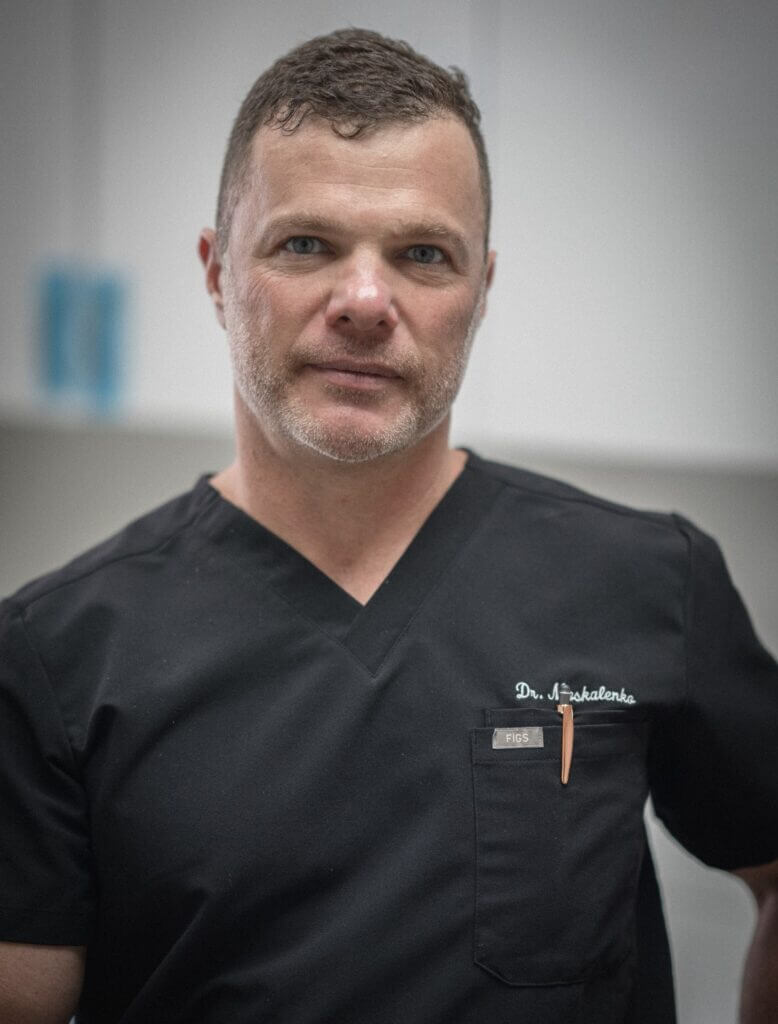
At ParkSide Dental in Brooklyn, Dr. Anton Moskalenko and his team take special care to minimize these risks by using advanced techniques and equipment, ensuring the highest standards of care. By employing the latest dental technologies and following strict protocols, they ensure that root canal treatments are safe and effective, helping patients maintain their natural teeth and overall oral health.
In conclusion, root canals are a safe and effective way to treat infected or damaged teeth, with no evidence linking them to cancer. Proper care and restorative work can ensure the longevity of the treated tooth, allowing patients to maintain their natural teeth and overall oral health.
Contact Our Top-Rated Brooklyn Root Canal Specialist
For more information or to schedule a consultation with our top-rated endodontist, Dr. Anton Moskalenko, contact ParkSide Dental Clinic today. Call us at (718) 462-7436 to schedule your appointment and experience exceptional dental care tailored to your needs.